Solar Water Pump Sizing for Agriculture: Head, Flow, and Array
Solar Water Pump Sizing for Agriculture: Head, Flow, and Array A solar pump that is sized correctly runs for a decade with almost no attention. One th
Solar Water Pump Sizing for Agriculture: Head, Flow, and Array
A solar pump that is sized correctly runs for a decade with almost no attention. One that is sized on a guess fails in its first dry season, and the failure usually looks like a pump problem when it is actually an array problem. The difference between the two outcomes is almost always three numbers: how high the water must rise, how much of it is needed per day, and how much solar power is available to lift it.
This guide works through those three numbers in the order that avoids rework, then covers source selection, array matching, and the site conditions that determine whether a system survives its environment. All model references are to real specifications from the Levin Power solar water pump range.
Why Solar Pumping Changes the Economics of Irrigation
Diesel and grid-connected pumping share one structural weakness: the cost of running them is proportional to the hours they run. Every additional hour of irrigation carries a fuel or electricity charge, so the rational response is to irrigate as little as possible. That constraint shapes farm design around water scarcity rather than around crop demand.
Solar pumping breaks that link. Once the array is installed, the marginal cost of an additional pumping hour is effectively zero, so the operating decision shifts from "how little can I irrigate" to "when is the water most useful." That change is more significant than the fuel saving alone, because it makes supplemental irrigation viable on land that could never justify a diesel system.
It also introduces a constraint that diesel systems do not have: output depends on irradiance. A solar pump does not deliver its rated flow at dawn or under heavy cloud. Sizing must therefore account for the daily and seasonal irradiance profile rather than assuming constant output, and storage — either a tank or a reservoir — becomes part of the system design rather than an optional extra.
The Three Numbers That Define Any Pump Requirement
Every solar pumping requirement reduces to three figures, and getting them in the wrong order is what causes most oversizing and undersizing.
Total dynamic head is the effective height the pump must overcome, expressed in metres. It includes vertical lift, pipe friction, and any discharge pressure required at the outlet. It is not the same as the water level in the well.
Daily flow requirement is the volume needed per day, in cubic metres. This comes from crop water demand, livestock consumption, or household use — not from what the pump can deliver.
Available solar resource is the equivalent full-load hours at the site, which sets how much of the day the pump can actually run at rated output. A site with five effective hours cannot deliver twenty-four hours of pumping from a system rated for continuous duty.
Size in that order. Head first, because it sets the pump family. Flow second, because it sets the model within the family. Solar resource last, because it sets the array size that supports the chosen pump.
Measuring Total Dynamic Head Correctly
Head is where most sizing errors originate, because the intuitive measurement — the distance from ground level down to the water — is only one component of three.
Vertical lift is the difference between the water surface while pumping and the discharge point. Note the qualification: the water level drops while the pump runs, so the drawdown level must be used, not the static level. A well that sits at 40 metres static can be at 55 metres while pumping, and that 15-metre difference is the one that causes a pump to run dry.
Friction loss is the pressure consumed by moving water through pipe. It rises steeply with flow velocity, which is why an undersized delivery pipe can consume more head than the entire vertical lift. Long runs, elbows, and undersized pipe all add to it, and it must be calculated for the actual flow rate rather than estimated.
Discharge pressure applies when water is delivered into a pressurised system — drip lines with pressure compensators, or a tank filling against head. Add the required pressure converted to metres.
Sum the three. That figure, not the well depth, is what the pump curve must satisfy.
Sizing Flow Rate to Crop and Livestock Demand
Flow requirement should be derived from demand, then divided by the hours the system can realistically run.
For irrigation, the calculation starts with the crop's peak water requirement per hectare per day, multiplied by the area, adjusted for irrigation efficiency. Use the peak seasonal figure rather than the annual average — a system sized on average demand will under-deliver during exactly the weeks that determine yield.
For livestock, demand is a straightforward multiple of head count and daily consumption per animal, but peak demand in hot weather runs well above the annual mean, and troughs must refill fast enough to avoid queueing.
Once daily volume is known, divide by the effective pumping hours to get the required flow rate in cubic metres per hour. Effective hours are not daylight hours — they are the hours during which irradiance is high enough for the pump to run near rated output, which is materially shorter.
That division is where many systems go wrong. Dividing a daily requirement by twelve hours when the site realistically delivers six produces a pump half the required size, and no amount of array expansion will fix a pump that is too small for the head.
Matching the Solar Array to the Pump Motor
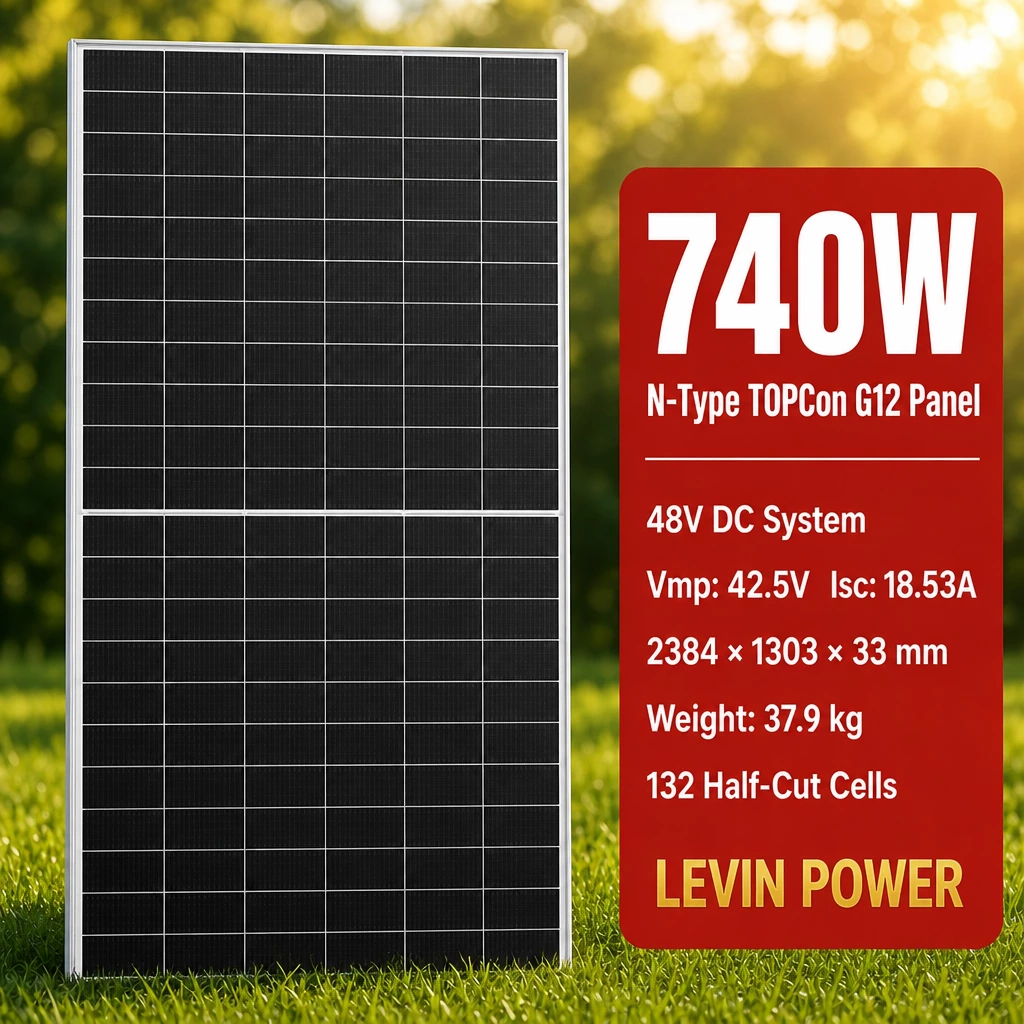
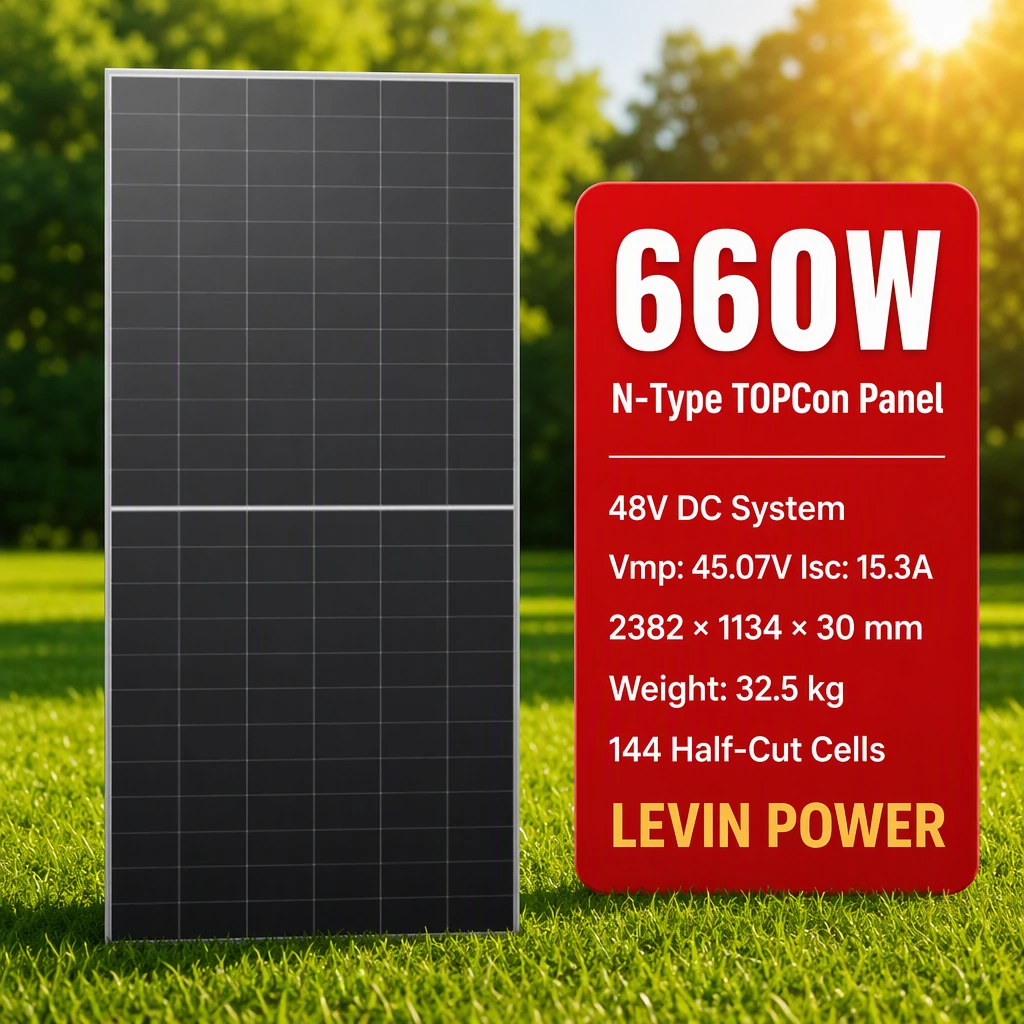
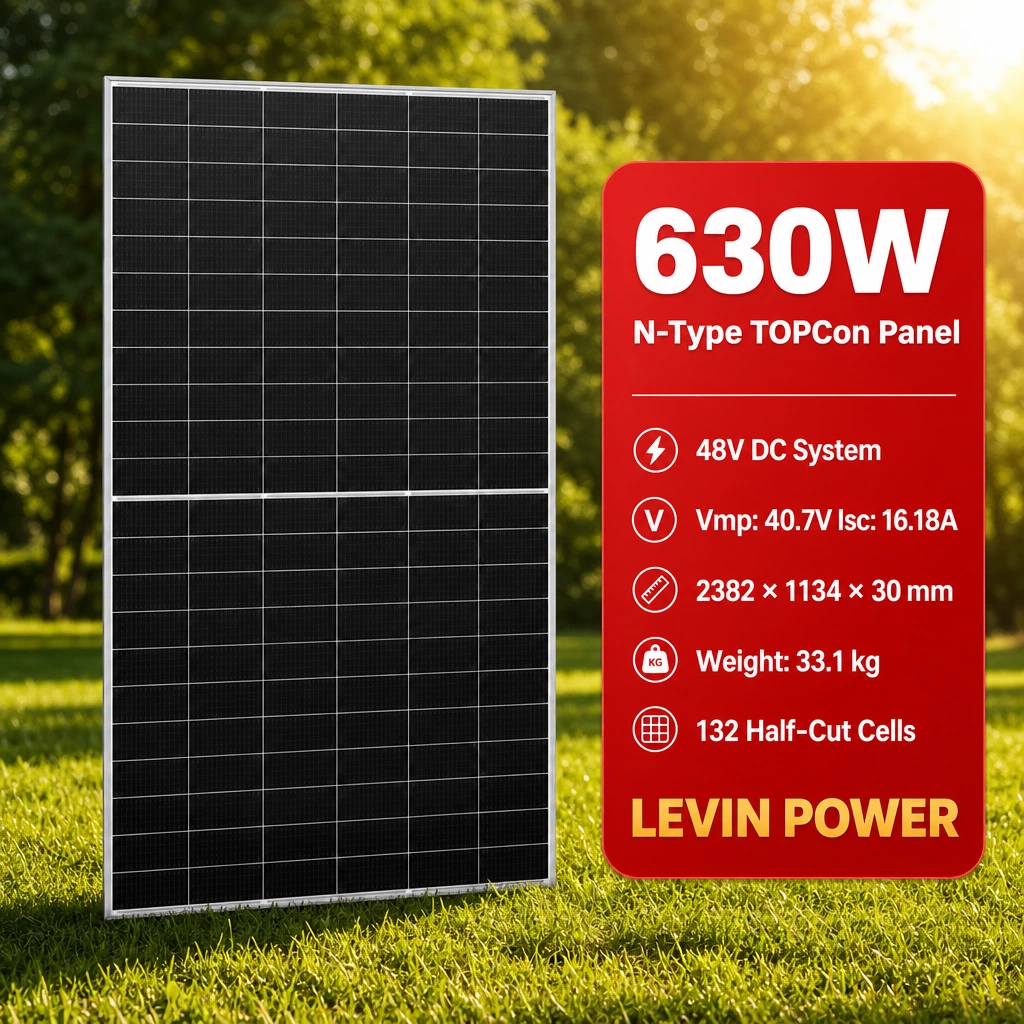
The array does not simply equal the motor rating. It must cover the motor's running demand plus the losses in the controller and the pump's own efficiency, and it must still deliver on days that are less than ideal.
The practical approach is to size the array above the motor's rated input, then verify against the pump's actual power curve at the design head. A pump operating near the top of its head range draws more power for the same flow than it does at its design point, so a system sized at the pump's nominal rating can stall at maximum head.
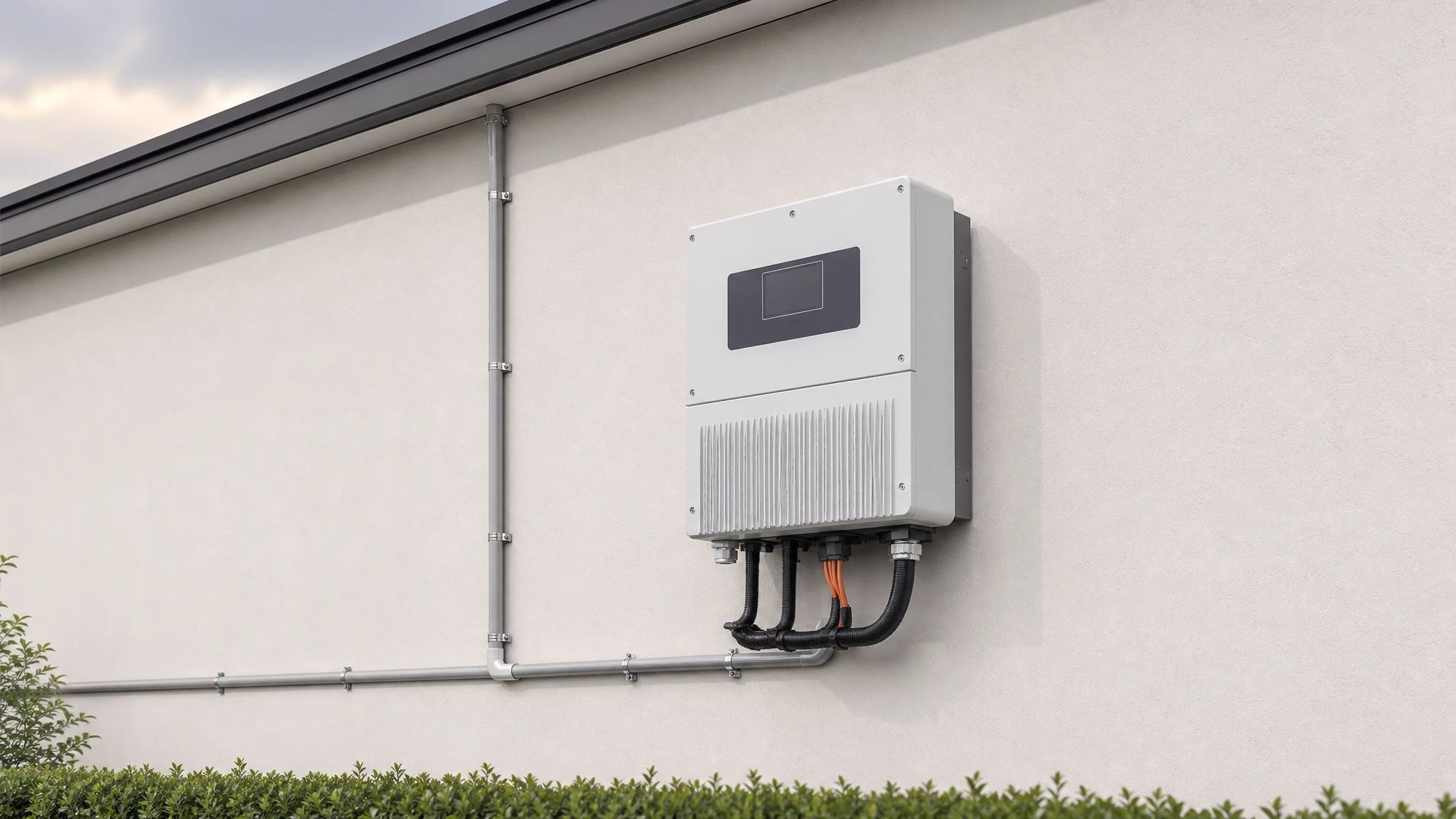
The controller matters as much as the array. Modern solar pump controllers track the array's maximum power point and manage motor speed, which is what allows a system to keep pumping at reduced output under partial irradiance instead of stopping entirely. Confirm that the controller supplied with the pump is matched to the array voltage — a mismatch here is a common cause of a system that works in full sun and does nothing otherwise.
Submersible or Surface: Matching the Pump to Its Source
The water source determines the pump type before any sizing arithmetic happens.
Submersible pumps sit below the water line inside a borehole or well. They are the correct choice for deep sources, because they push water up rather than pulling it, and pushing has no theoretical depth limit in the way suction does. The Levin Power range includes deep-well models such as the LPR-4SSC18-95-280-2200-A/D, a 2200 W stainless steel unit rated to 125 metres of head, and the LPR-3SS1.7-109-48-500, a 500 W unit reaching 109 metres.
Surface pumps sit at ground level and draw water up through a suction pipe. They are limited by atmospheric pressure to roughly seven metres of suction lift in practice, well below the theoretical ten. Their advantage is access for maintenance and higher flow at low head — the LPR-SCPM45-17-180-1500-A/D is a 1500 W self-priming unit rated to 17 metres, suited to open water, shallow wells, and transfer duty.
Match the type to the source and the maintenance reality. A submersible pump in a deep borehole is difficult to service; a surface pump on a deep well simply will not lift the water.
A Worked Example: Deep Well Irrigation
Consider a borehole with a static water level of 60 metres, drawing down to 72 metres while pumping, delivering to a tank 8 metres above ground through 120 metres of pipe, with a daily requirement of 60 cubic metres during the peak season.
Vertical lift is 72 metres plus 8 metres of discharge height, giving 80 metres. Friction across 120 metres of delivery pipe at the required flow adds a further allowance, and the total dynamic head lands in the region of 100 to 110 metres.
At that head, a 2 to 3 horsepower submersible is the right family. The LPR-4SSC18-95-280-2200-A/D at 2200 W and 125 metres maximum head sits comfortably inside the requirement with margin for the drawdown assumption being slightly optimistic.
Sixty cubic metres per day across roughly six effective pumping hours requires about 10 cubic metres per hour. Verifying that flow at 110 metres of head against the pump curve — not against its maximum flow at zero head — is the step that confirms the selection. The array is then sized above the motor's input at that operating point.
Site Conditions That Decide Long-Term Uptime
A correctly sized pump can still fail early on site conditions, and three of them dominate.
Water quality determines materials. Stainless steel construction, as used across the Levin Power range, handles the suspended solids and dissolved minerals common in agricultural boreholes far better than cast iron. Where sand is present, confirm the pump's solids tolerance before committing.
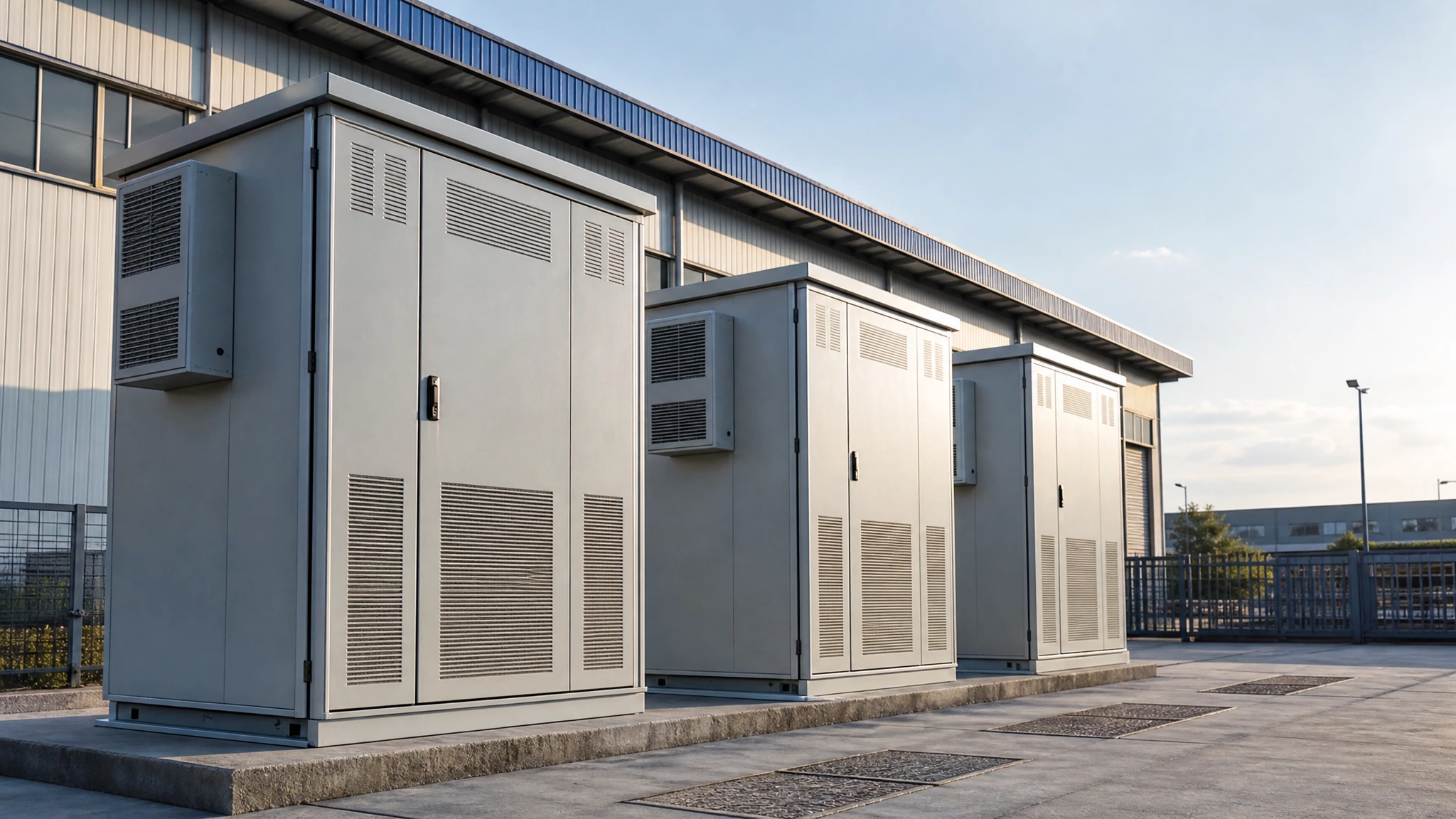
Temperature and enclosure matter for the controller more than the pump. Controllers mounted in direct sun in a hot climate derate or fail; a shaded, ventilated enclosure is a cheap addition that prevents an expensive one.
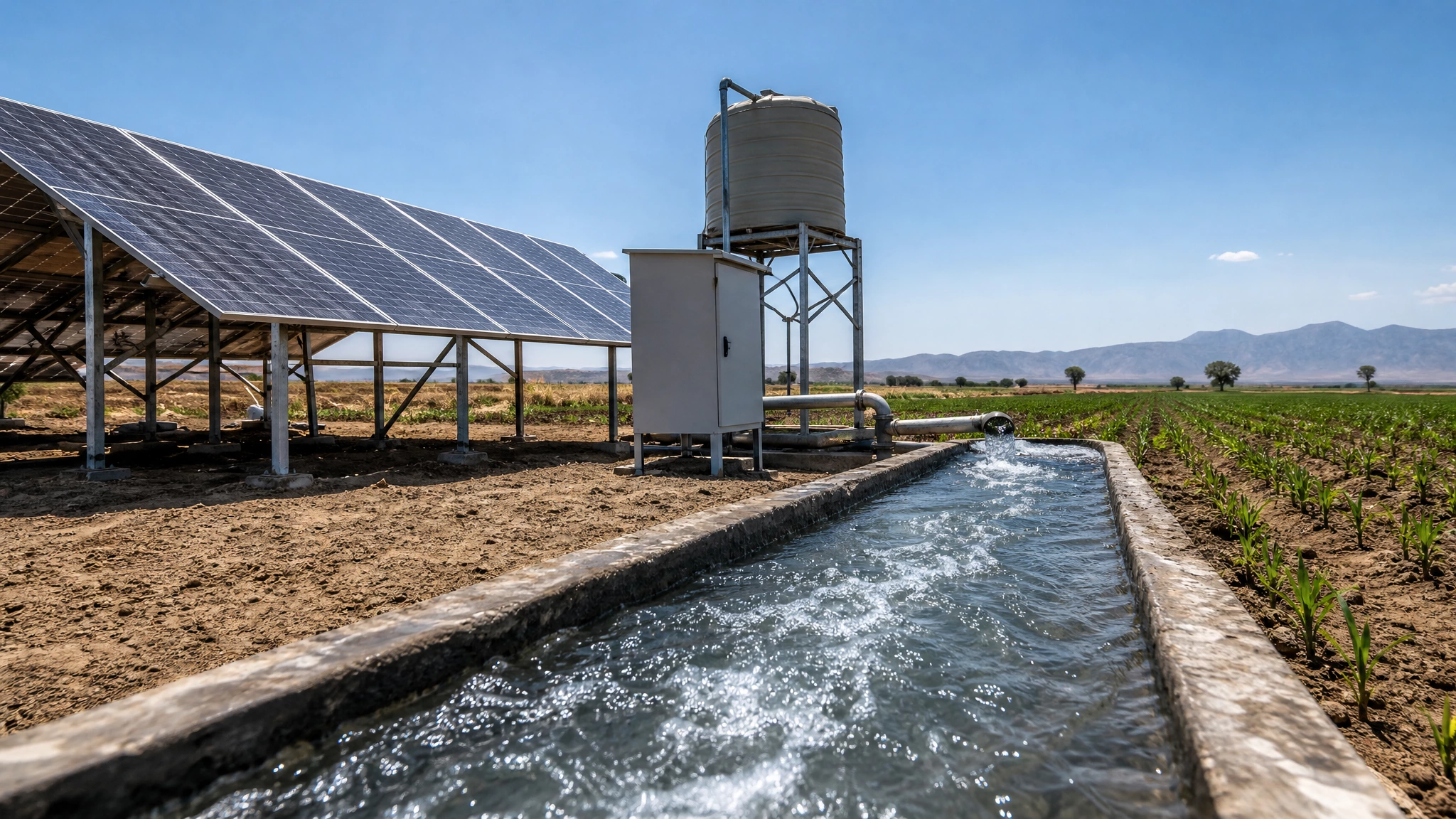
Array mounting and soiling affect delivered output over years rather than days. Dust on panels in dry agricultural regions can remove a meaningful share of yield, and a mounting angle that does not shed water will accumulate it. Design for cleaning access at the outset — a system nobody can reach is a system nobody maintains. Leave a walkway or maintenance corridor between rows, because panels packed tightly to save ground area become effectively unserviceable within a single season.
A Practical Sizing Checklist
Work through these in order and most errors are eliminated before a purchase order exists.
- Confirm the source type — borehole, open water, or shallow well — and whether a submersible or surface pump applies.
- Measure static and drawdown water levels, not just the static level.
- Calculate total dynamic head including friction at the actual flow rate and any discharge pressure.
- Establish peak daily demand from crop, livestock, or household requirement — not from annual average.
- Determine effective pumping hours from the site's irradiance profile.
- Divide demand by effective hours to get required flow, then verify that flow at the design head on the pump curve.
- Size the array above the motor's input at the operating point, and confirm controller voltage matching.
- Plan storage — tank or reservoir — to bridge cloudy days and to decouple pumping hours from irrigation hours.
- Confirm materials against water quality, and plan controller enclosure and panel cleaning access.
Frequently Asked Questions
What is the maximum depth a solar pump can lift from? There is no fixed limit for submersible pumps, because they push rather than pull. The constraint is the model's rated head — the Levin Power range reaches 125 metres on the LPR-4SSC18-95-280-2200-A/D. Surface pumps are limited to roughly seven metres of suction lift.
Can a solar pump run without a battery? Yes. A direct-coupled system pumps when the sun shines and stops when it does not. A battery is only needed if pumping must continue outside daylight hours, and a storage tank is usually the cheaper way to achieve the same outcome.
What happens on cloudy days? Output falls with irradiance rather than stopping abruptly. A controller with maximum power point tracking keeps the pump running at reduced speed, which is why the array is sized above the motor rating rather than equal to it.
How much maintenance does a solar pump need? Mechanical maintenance is minimal — there is no fuel system and no brushes in most modern motors. The practical work is panel cleaning, checking array connections, and inspecting the pump intake for debris.
Can one array serve both pumping and other loads? It can, but the pump's starting current and the resulting voltage sag affect the other loads. If the array is shared, size it for the combined worst case rather than the sum of nominal ratings.
Sizing a system for a specific well and crop plan? Send Levin Power your head, flow, and site details and the team will match a pump and array configuration to your water source.